My Creative Journey
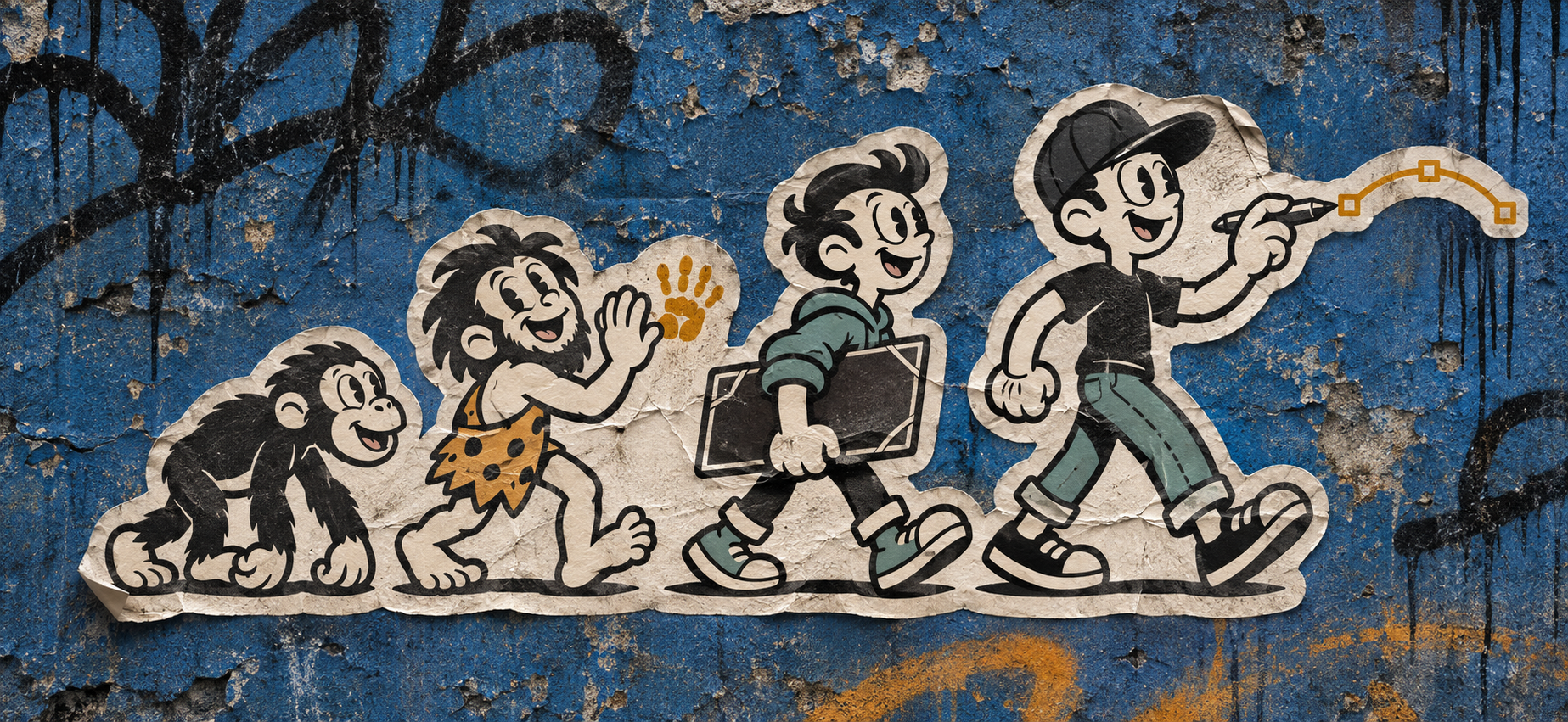
My first design job took me from car aftermarket magazines to publications about cosmetic surgery. Since then, design has taken me to Barcelona and Shanghai, into a police force and onto construction bids. Somewhere along the way, the question I asked at the start of a project changed. I still cared about how the work looked, but I wanted to know what it could do for the person reading it.
Learning the craft
At the University of the Creative Arts, I got to spend time on the fundamentals of design I still care about today. How does the type guide you through a page? What happens when you give something more space? How does a design change when it goes from screen to print? Studying typography, layout and production gave me a way to answer those questions by making things and seeing what worked.
My first job in design
An internship at Mammal Design in London led to my first design job at Creative Media, where I worked on magazines. They weren’t exactly the glossy, design-led titles I’d imagined working on. There were car aftermarket magazines, which probably sounds about right for an Essex boy, and then there were magazines about cosmetics and surgery. You couldn’t say there wasn’t variety.
It was a chance to see how much creativity I could bring to a page, whatever the subject. I got to experiment with layouts, find ways to make the stories interesting to look at and learn how to get an idea all the way through to print.
Taking design beyond the page
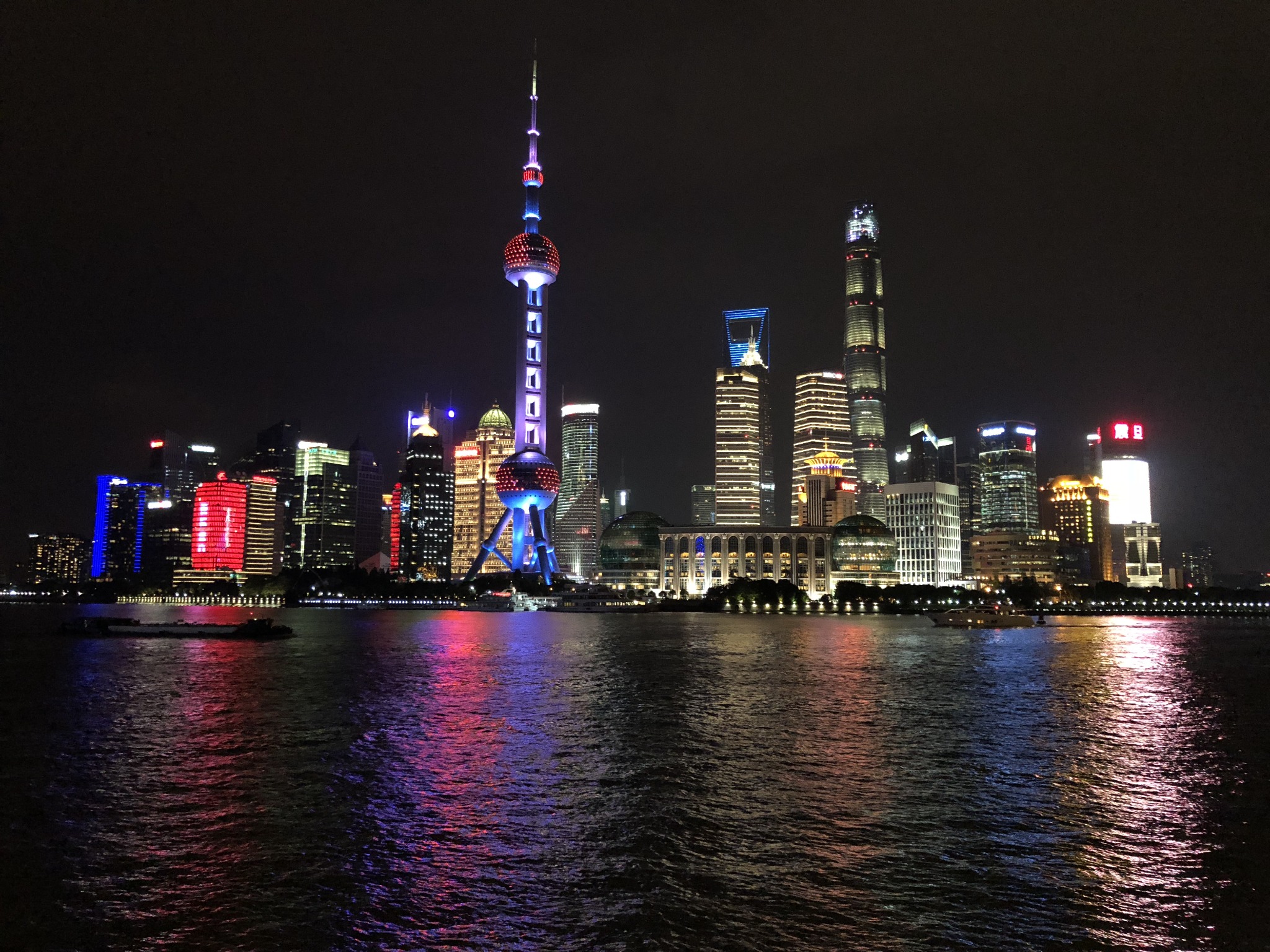
At Intuitive Design, I went from graphic designer to senior designer and got to work with a brilliant team. I worked on the world’s largest mobile phone exhibition, and the job took me to Barcelona and Shanghai. Most of my work was on the branding around exhibitions and conferences, and how that carried through brochures, agendas, web banners and website artwork.
I also learned what a tight deadline really felt like. Conference agendas could change right up to the last minute, and the printer still needed the files on time. Working closely with printers taught me what was possible in production and gave me the chance to experiment with print. I still speak to and meet up with colleagues from those days. That tells you a lot about the team.
Designing for the public
At Essex Police, I started getting involved much earlier in the conversation. What did we need to say? Who needed to hear it? What might make it difficult for them to act on it? Some of the messages were hard to talk about, which made it all the more important to get them right. Getting involved in those decisions changed how I approached design and helped me grow into a more strategic role.
It also made me realise what I get most out of my work. On a domestic abuse campaign, for example, the message might help a woman or man recognise what’s happening in their relationship or find out where to get support. Knowing that the work could make a difference to someone in that situation gave it a purpose I could really get behind.

See the Essex Police case study.
Finding the story in a construction bid
At Vistry, I lead design across brands and construction bids. A bid can bring together a lot of technical information from different teams, often on a tight deadline. A big part of my job is setting up workflows that help us turn work around quickly and making sure the clearest version of the message makes it onto the page.
When you’re working to a word or page limit, the visual identity can do some of the storytelling. The typography, imagery and layout can give the document a personality and a sense of place. They help the reader get a feel for the proposal before they’ve read every word.
I still look for the difference a project could make. With a housing estate redevelopment, I’m interested in what it could mean for the families who live there and what the plans could do for the wider community. That’s where the social value side of a bid matters to me. It’s a chance to show what a proposal could change in people’s everyday lives.
Bringing it together at Crock Studio
I started Crock Studio to bring that experience into my independent work. Alongside my role at Vistry, I take on selected projects, from developing visual identities to making reports easier to navigate. One of my favourite moments is when a team sees its ideas laid out clearly for the first time and can finally talk about what matters most. That’s the part of design I still enjoy most, especially when the work can make a difference to the people it reaches.